Northshore University
Neural Recovery & Human Movement Lab
Associate Professor of Biomedical Engineering
Dr. Marcus Vale
Neural Recovery & Human Movement Lab
Research brief
What if we could see recovery happening before it was obvious?
Our lab studies how the nervous system, movement, and assistive technologies interact during rehabilitation. We work across engineering, neuroscience, and clinical practice to develop better ways to measure recovery, design adaptive technologies, and support people rebuilding movement.
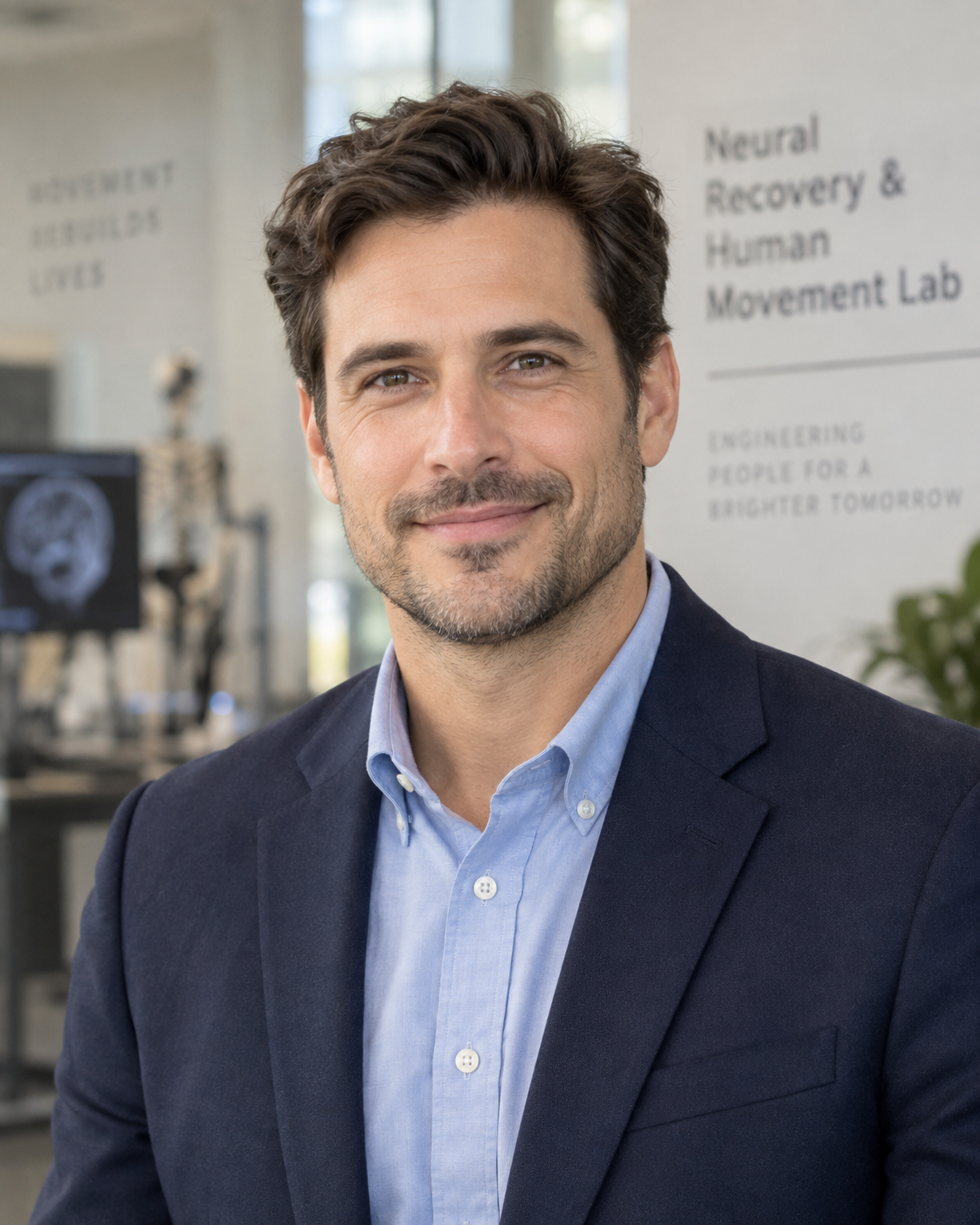
Before you contact me
Explore the research, the working relationship, and whether the fit makes sense.
01 / THE RESEARCH
Understand what we are working on.
02 / THE RELATIONSHIP
Learn about the working relationship and expectations.
03 / THE FIT
Check alignment before the first meeting.
Working together.
I lead an interdisciplinary research group working at the intersection of biomedical engineering, human movement, and rehabilitation. Our work combines biomechanics, wearable sensors, electromyography, and rehabilitation technologies to answer clinically meaningful questions about mobility and recovery.
Explore alignment01
Regular one-to-one supervision with clear expectations
02
A collaborative lab where questions are expected and discussed
03
Direct feedback designed to strengthen the work—not just evaluate it
04
Increasing independence as skills and confidence develop
The research and the questions.
Recovery is rarely a straight line. Better measurement can help us understand what is changing, when it is changing, and how rehabilitation technologies can be designed around the people who use them.
Programs supervised
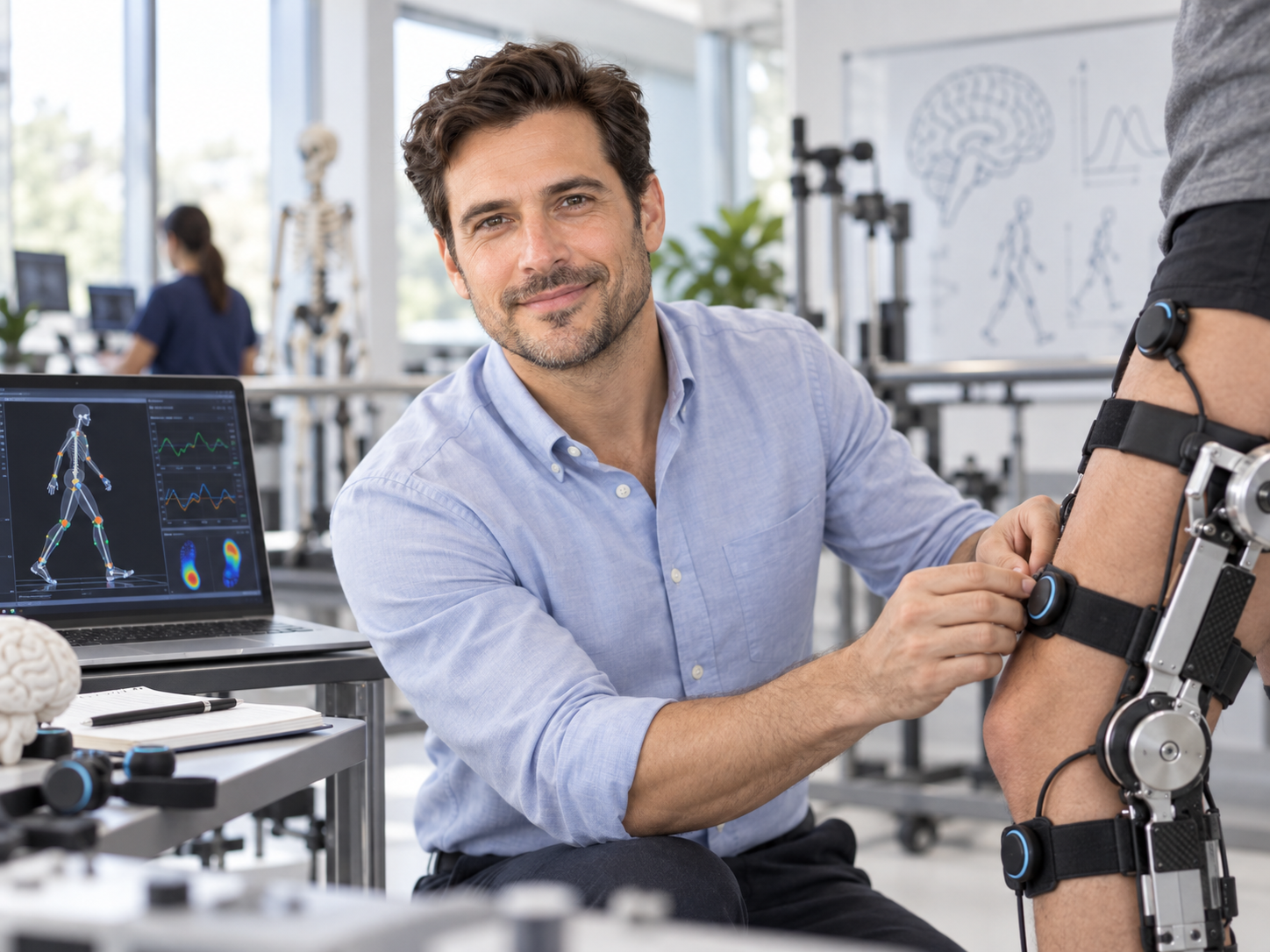
Research questions
- Q01
How can we measure meaningful changes in movement outside the clinic?
- Q02
Why do people with similar injuries recover so differently?
- Q03
How can wearable technologies support rehabilitation without creating additional burden?
- Q04
Can machine learning help identify recovery patterns that clinicians cannot easily see?
- Q05
How should assistive technologies adapt as a person’s abilities change?
Research happening now.
Current projects and directions are work in motion, not promises of funded positions.
Featured direction / 01
Wearable sensing for post-stroke gait recovery
Combining inertial sensors, motion capture, and clinical measures to characterize changes in gait during recovery.
Other directions
02
EMG-informed intent recognition for assistive walking devices
Developing signal-processing and machine-learning approaches that translate muscle activity into useful control signals.
03
Human–robot interaction in lower-limb rehabilitation
Studying how people adapt to robotic assistance and how device behaviour can better support functional movement.
What you can build here.
The researcher describes the development opportunities available in this work.
01
Research capability
- Biomechanical data collection
- Wearable-sensor analysis
- Signal processing
- Quantitative research methods
- Reproducible analysis
- Mixed-methods thinking
02
Professional growth
- Conference presentations
- Manuscript authorship
- Interdisciplinary collaboration
- Clinical research experience
- Grant-development exposure
- Knowledge mobilization
03
Leadership
- Leading a defined research question
- Mentoring junior trainees
- Facilitating lab discussions
- Contributing ideas to team activities
- Presenting work to collaborators
Progression map
How development can unfold.
A flexible sequence rather than a fixed timetable.
01
Start with a focused question and a clear plan.
02
Build the methods and technical skills needed for the project.
03
Take increasing ownership of analysis, interpretation, and decisions.
04
Share the work through manuscripts, presentations, and knowledge translation.
The people around the work.
See the roles and people who make up the research environment.
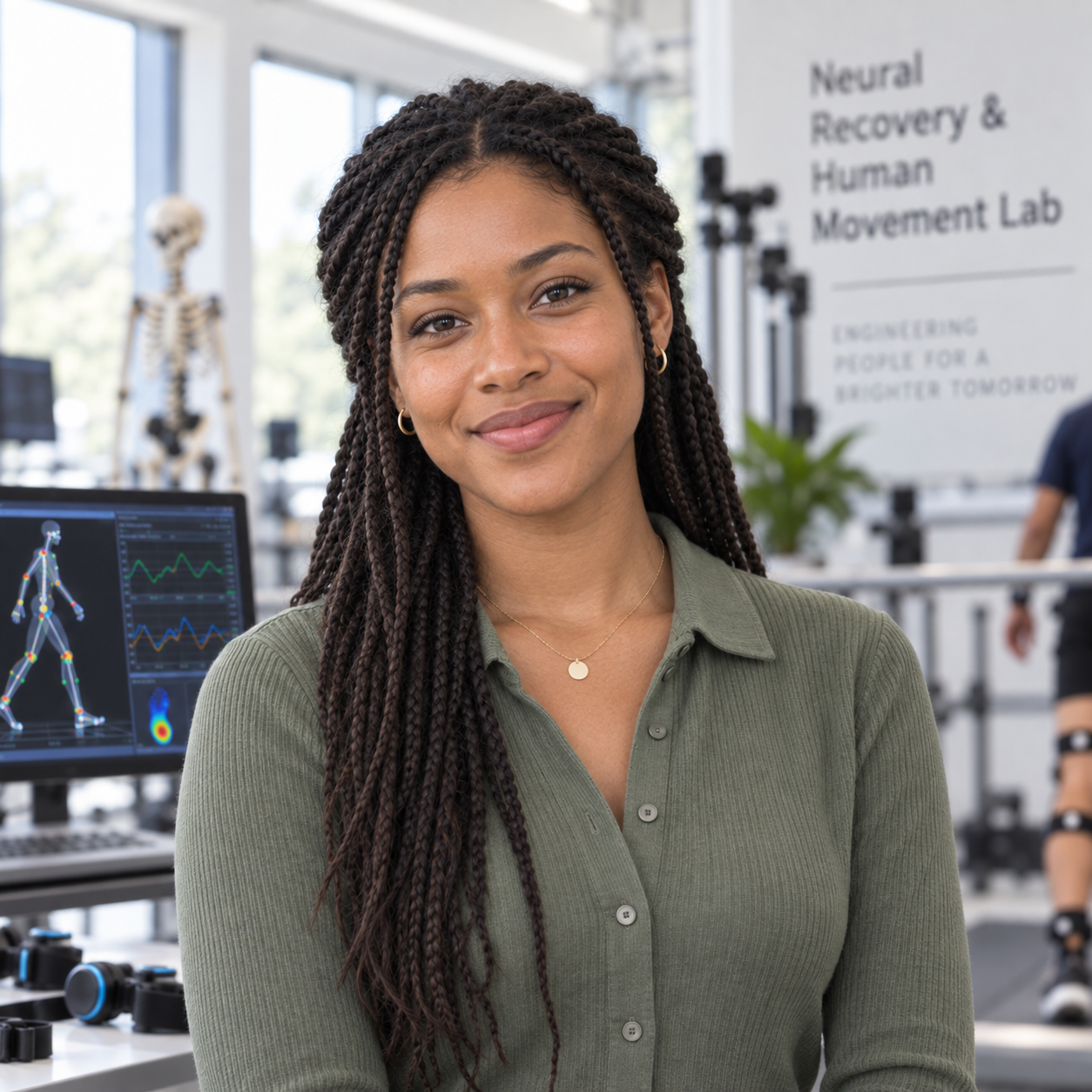
MSc trainee
Biomedical engineering · wearable sensing and gait analysis
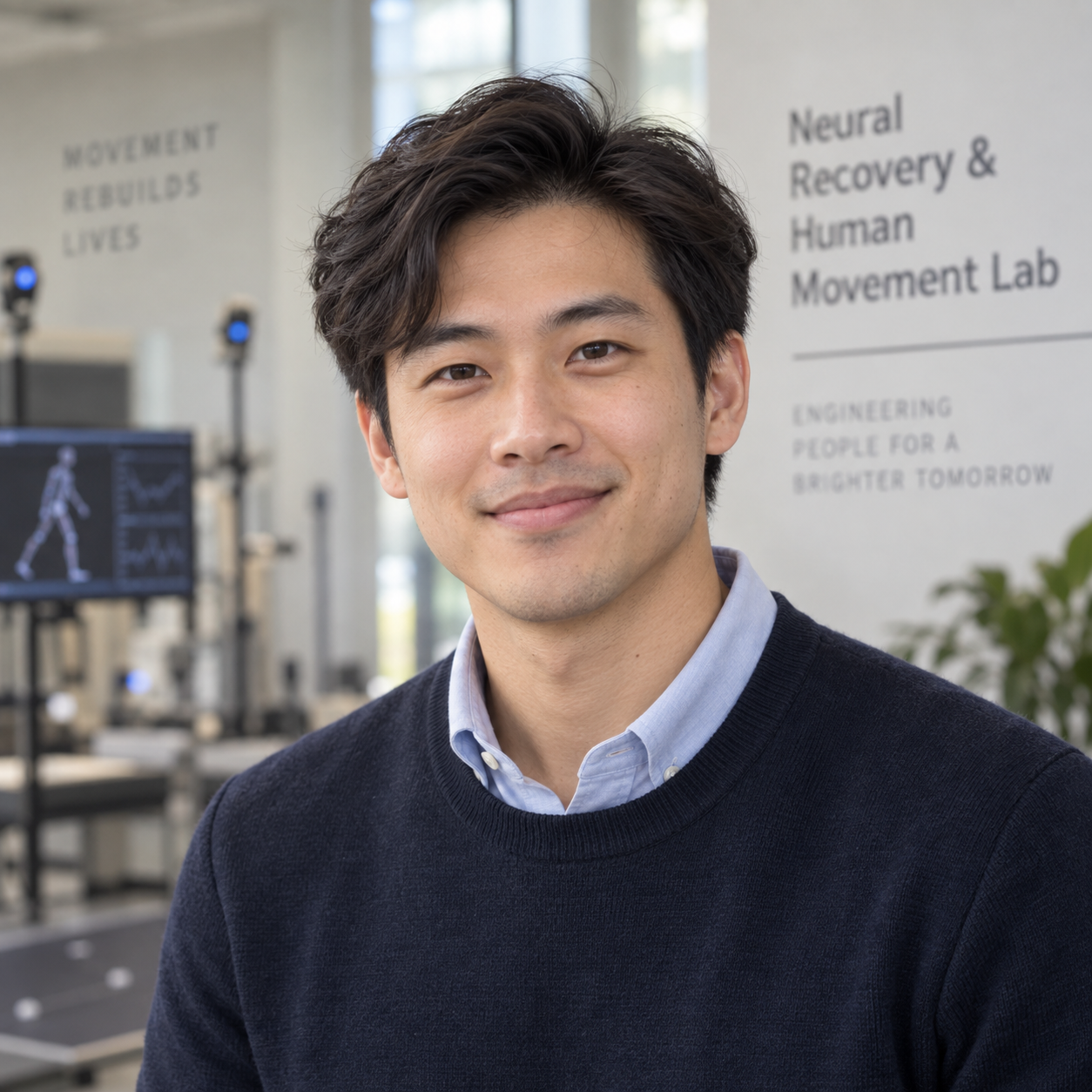
MSc trainee
Biomedical engineering · rehabilitation technology
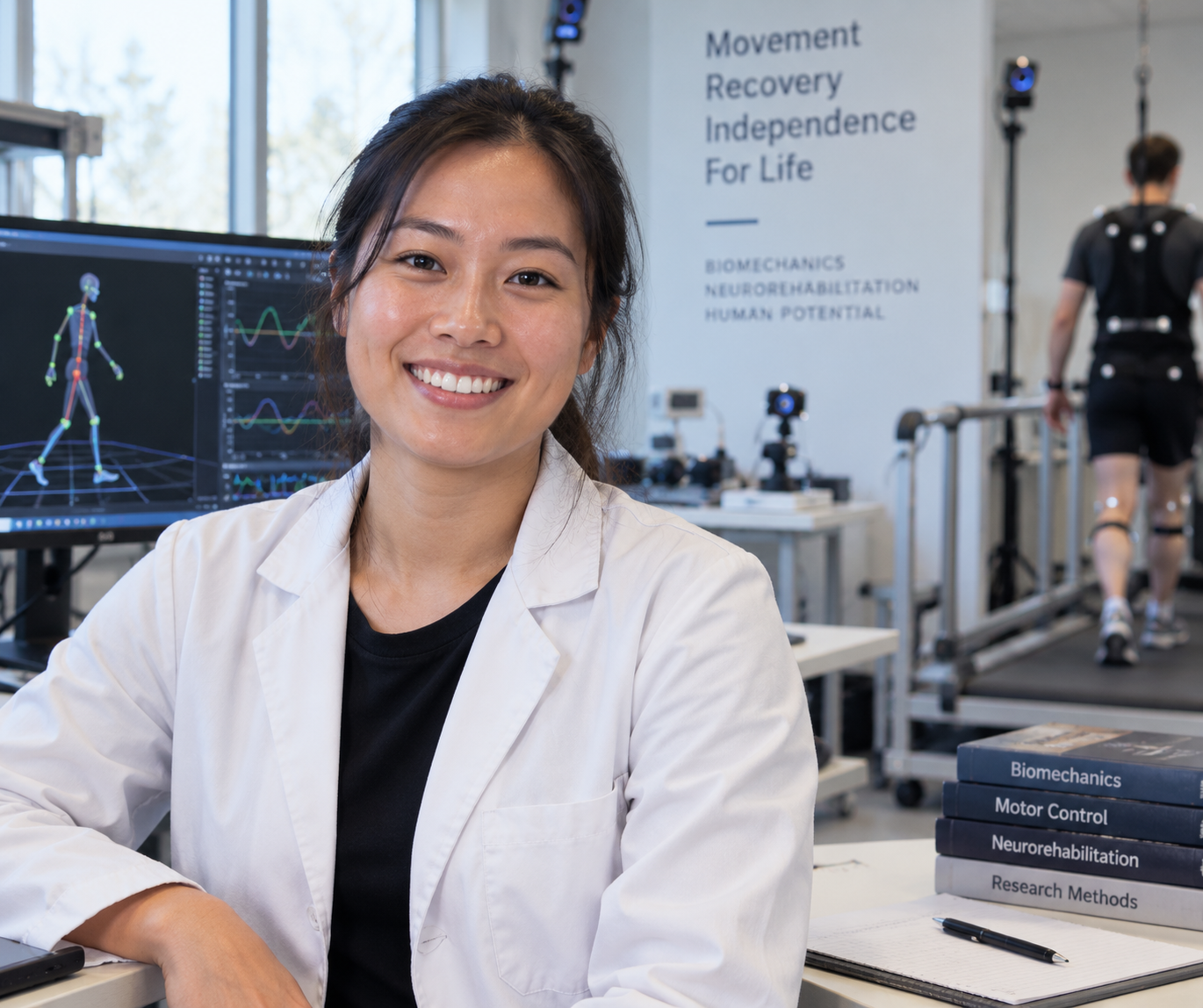
PhD trainee
Human movement biomechanics · motor recovery
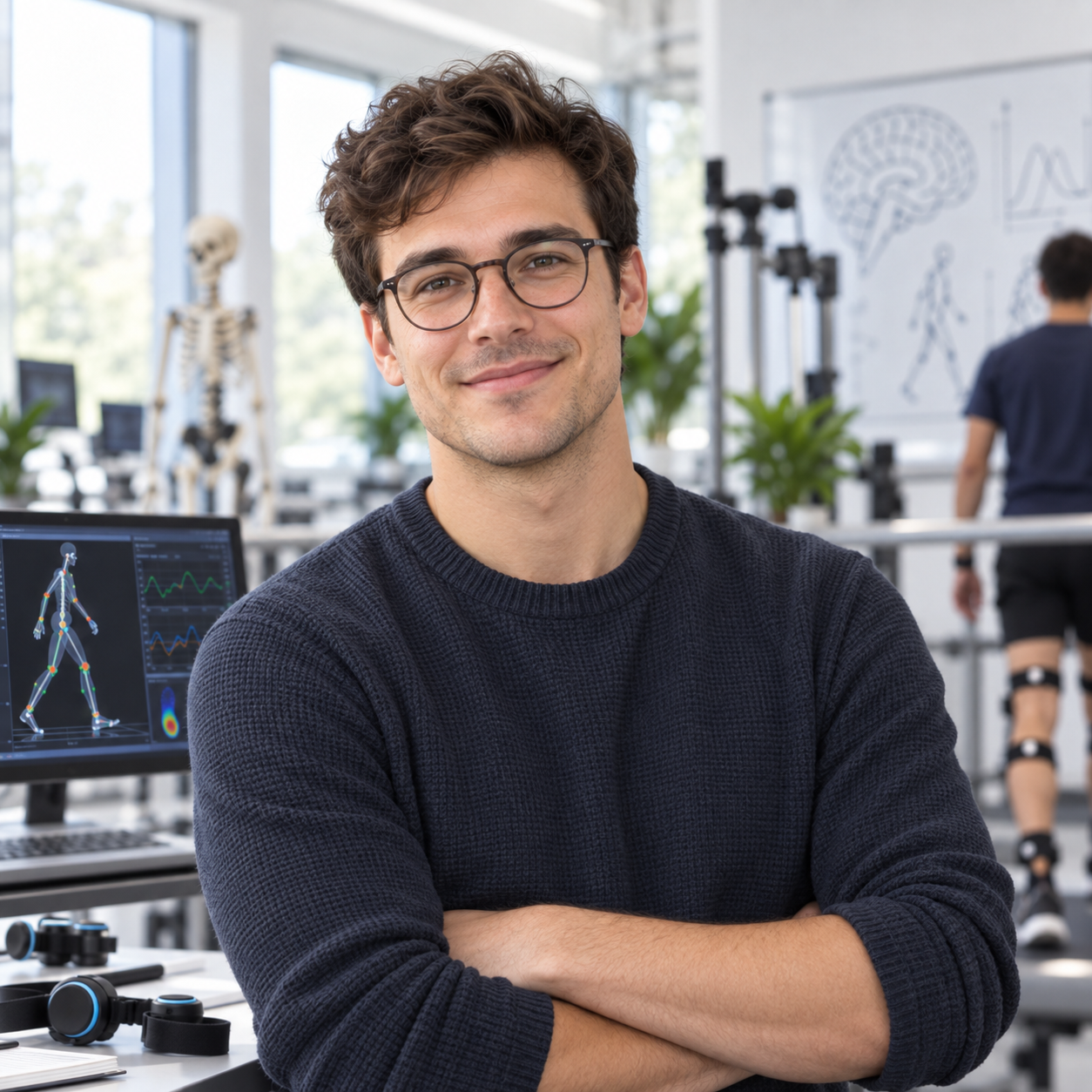
PhD trainee
Biomedical engineering · assistive-device control
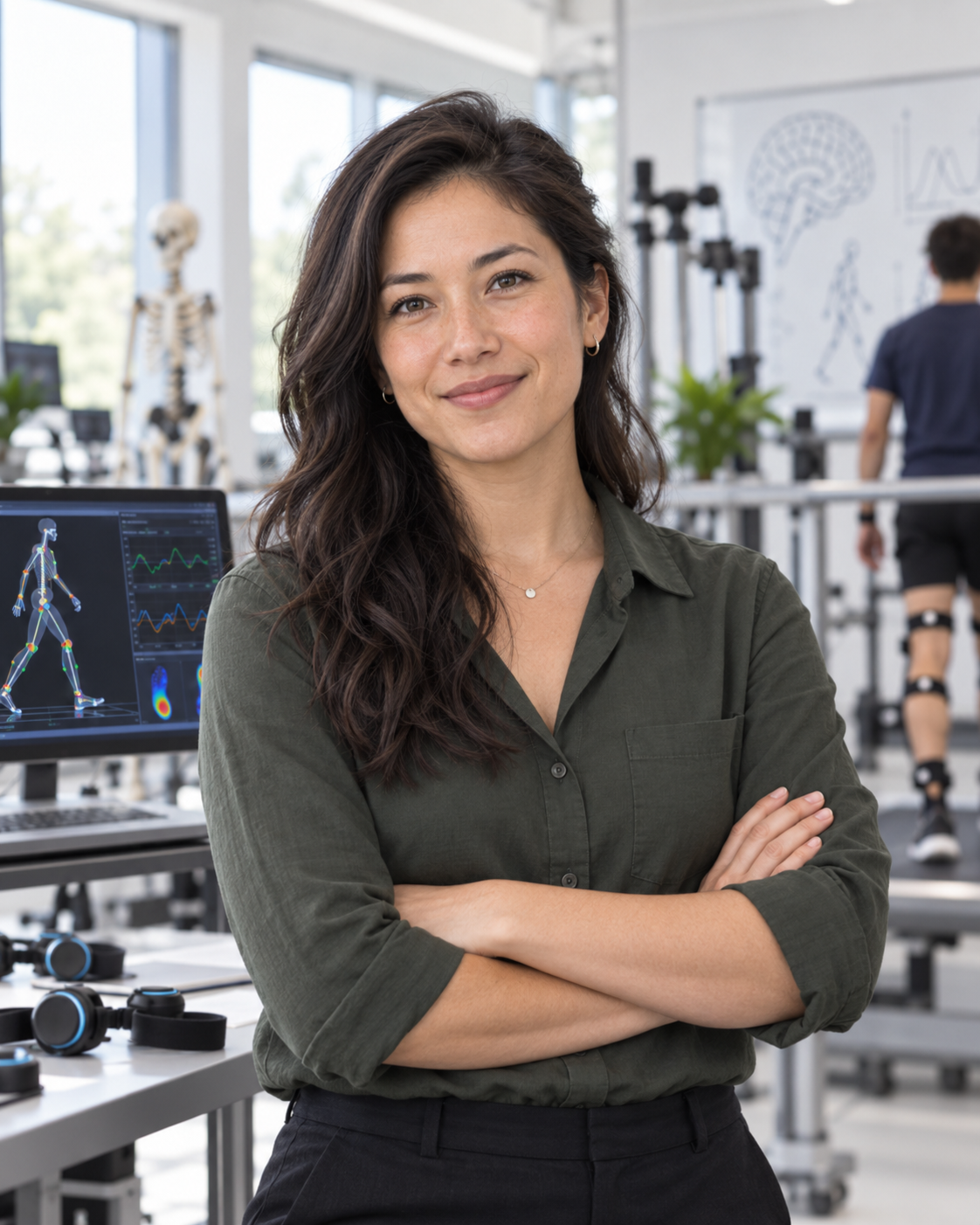
Postdoctoral fellow
Rehabilitation engineering · human–robot interaction
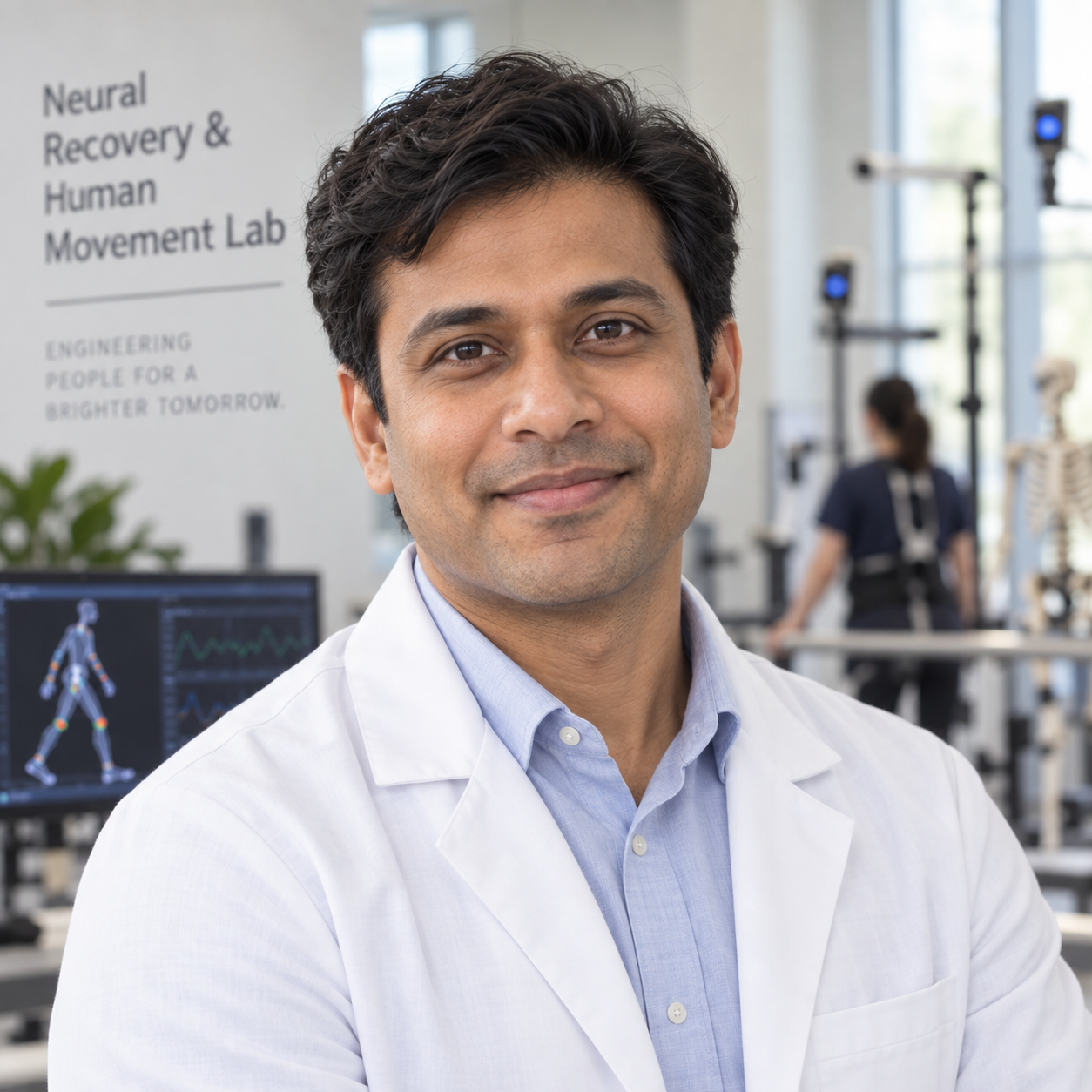
Clinical collaborator
Physiotherapy and neurological rehabilitation
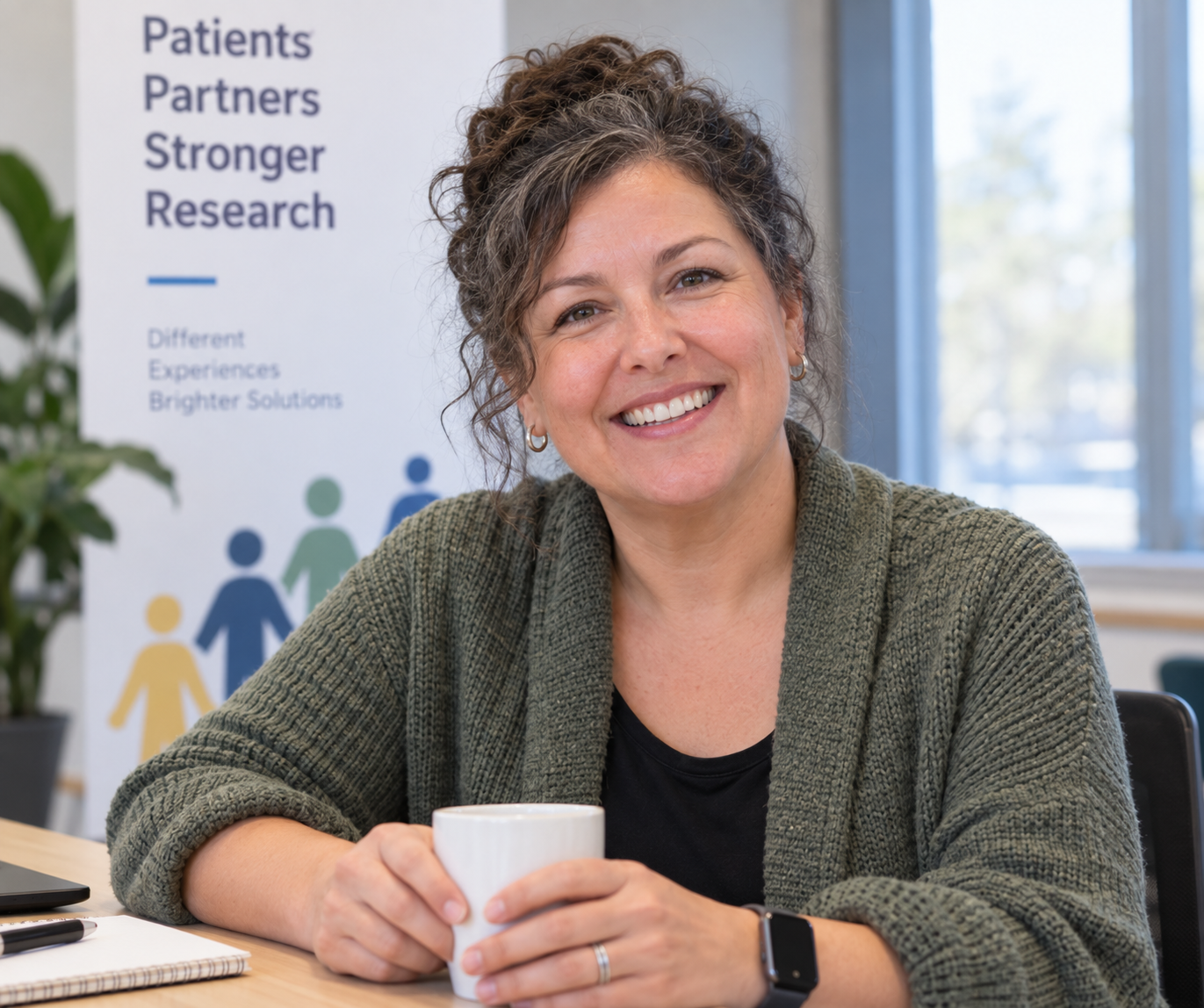
Patient partner
Lived-experience perspective on mobility and rehabilitation
Mutual fit.
Positive signals
You may find alignment here if…
You are genuinely curious about how people move and recover.
You enjoy working across disciplinary boundaries.
You are comfortable learning methods outside your current expertise.
You communicate when you are unsure or stuck.
You value careful, reproducible research.
You like combining technical work with human problems.
You want increasing independence rather than constant direction.
Consider carefully
Consider discussing these expectations if…
You need a project with every decision already made for you.
You strongly prefer working entirely independently from a research team.
You are uncomfortable receiving detailed feedback.
You prefer very short projects with little methodological depth.
Next step
See how your goals, expectations, and ways of working line up.
Current opportunities.
Specific openings are separate from the broader research program.
Next step
Interested in working together?
Share a little about your background, interests, and what you are looking for. This is an expression of interest, not a promise of admission, funding, or a specific position.
Explore alignment